
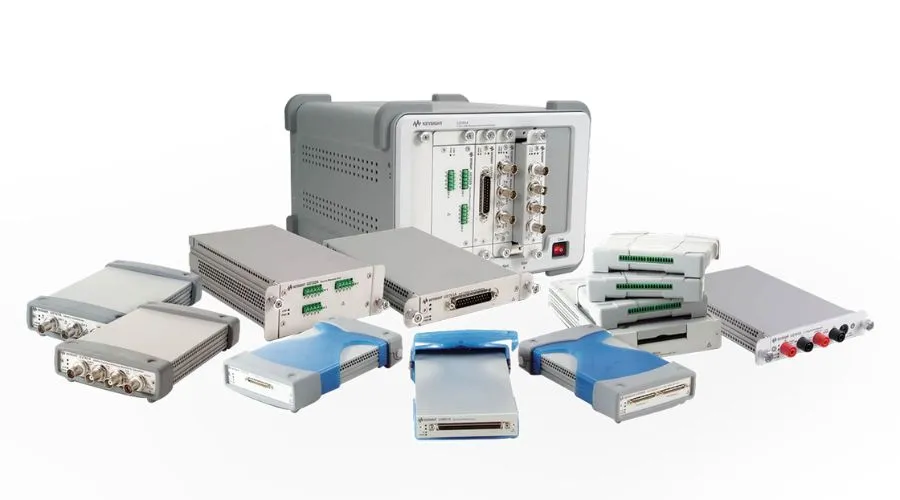
In the ever-evolving landscape of technology, businesses are constantly seeking ways to enhance their efficiency and decision-making processes. One integral aspect of this pursuit is the utilization of Data Acquisition Systems (DAS). In this article, we’ll delve into the intricacies of DAS, exploring their functionalities, applications, and the undeniable impact they have on various industries.
Understanding Data Acquisition Systems
At its core, a Data Acquisition System is a sophisticated network of devices designed to gather and process information from the physical world. These systems play a pivotal role in transforming raw data into meaningful insights that businesses can leverage for informed decision-making.
Components of a Data Acquisition System
A DAS typically consists of several key components, each serving a specific purpose in the data collection process:
- Sensors: These are the frontline data collectors, converting physical parameters into electrical signals.
- Signal Conditioning: This stage involves refining raw signals to ensure accuracy and reliability.
- Data Converters: Analog signals are converted into digital formats for easier processing and analysis.
- Data Storage: The transformed data is then stored for future reference and analysis.
Applications Across Industries
The versatility of Data Acquisition Systems is showcased by their widespread adoption across various industries.
Manufacturing Sector
In manufacturing, DAS aids in quality control by monitoring and analyzing production processes in real-time. This ensures the production of high-quality goods while minimizing defects.
Healthcare Industry
Within healthcare, DAS is employed in patient monitoring systems, providing healthcare professionals with real-time data on vital signs. This enables prompt intervention and personalized patient care.
Environmental Monitoring
DAS plays a crucial role in environmental research by collecting data on air quality, temperature, and other parameters. This data is vital for understanding climate patterns and implementing sustainable practices.
Automotive Technology
In the automotive sector, DAS is utilized to monitor vehicle performance, ensuring optimal efficiency and safety. This data is invaluable for both manufacturers and end-users.
Key Advantages of Implementing Data Acquisition Systems
The adoption of Data Acquisition Systems offers numerous benefits to businesses:
- Real-time Monitoring: DAS enables real-time monitoring, allowing for immediate responses to changes or anomalies in the data.
- Improved Decision-making: By providing accurate and timely insights, DAS empowers decision-makers to make informed choices, ultimately enhancing overall efficiency.
- Cost Reduction: Efficient monitoring and predictive analysis facilitated by DAS can lead to cost reductions through optimized processes and resource utilization.
Overcoming Challenges in Data Acquisition
While the benefits are significant, challenges exist in the implementation of Data Acquisition Systems.
Compatibility Issues
Integration with existing systems can be challenging, requiring careful planning to ensure seamless functionality without disruptions.
Security Concerns
As DAS involves the collection and storage of sensitive data, robust security measures are essential to protect against unauthorized access and data breaches.
The Future of Data Acquisition Systems
As technology continues to advance, so too will the capabilities of Data Acquisition Systems. The integration of Artificial Intelligence and Machine Learning is poised to revolutionize data analysis, making DAS even more powerful and insightful.
In conclusion, Data Acquisition Systems are a cornerstone of modern data-driven decision-making. Their applications span across industries, offering tangible benefits such as real-time monitoring, improved decision-making, and cost reduction. As businesses navigate the digital era, the strategic implementation of DAS will undoubtedly be a key factor in achieving and maintaining a competitive edge. Embrace the power of data, and let Data Acquisition Systems propel your business into a future defined by informed and efficient operations.